When someone tells you their story, you have to listen with your heart. You become more than a journalist.
Maksym Zabelia
Editor at the newspaper Ridne Misto
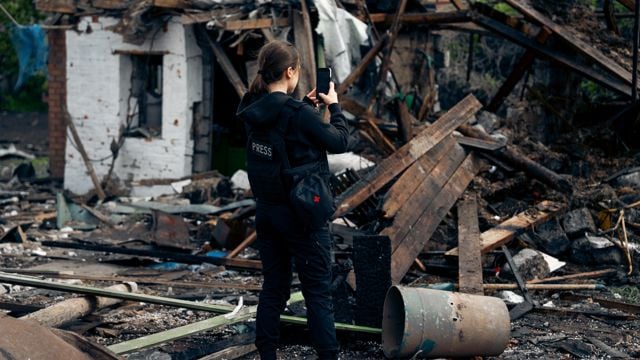
In Ukraine, journalists risk their lives to cover the war. With support from Norway, independent media outlets continue to provide people with access to vital information, hope and resilience.
Through the civil society support mechanism under the Nansen Support Programme for Ukraine, Norway enables local media to publish newspapers, acquire equipment and receive safety training.
Norad met three journalists who report daily from the realities of war in their own neighbourhoods:
Aljona Yatsyna lives in Sumy, near the Russian border, where she is covering the war for the local newspaper Kordon Media. The news is often closely tied to her own life.
– The war is in our homes. Sometimes we go to work after a bombing, only to find out that friends or relatives have died, says Aljona.
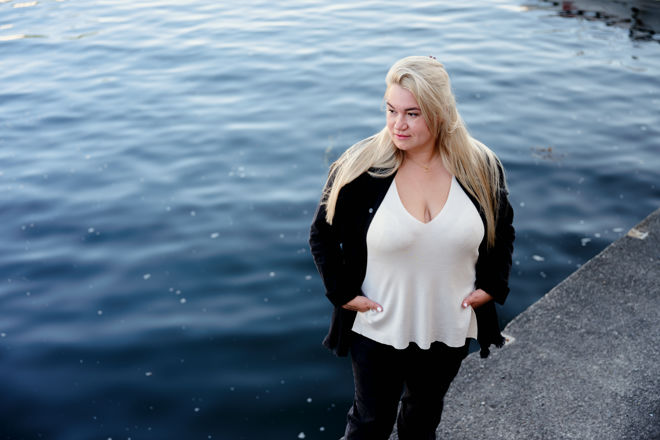
Aljona Yatsyna, journalist at Kordon Media.
Before the war, she did not work in the media, but when Russia launched its full-scale invasion in 2022, she wanted to contribute. Since then, she has learned about both journalistic ethics and the laws of war to keep herself safe.
– We say: A good journalist is an alive journalist.
One day in spring, Aliona heard a powerful explosion. A bomb had hit the nearby area. She grabbed her camera and ran out.
– I saw burning cars, a bus in flames, and a lifeless person. It was a close friend. I grieved and cried for a few minutes, then I continued reporting. Because I have to tell people in Ukraine and the whole world about it, says Aljona.
She believes that support for Ukrainian media is essential – not only for Ukraine, but for democracy in Europe.
– Without independent journalism, there is only propaganda and politics. Only independent media can show what is happening in our lives, in our country, in this war, says Aljona Yatsyna.
In the Donetsk region, Maksym Zabelia is the editor of a local newspaper. When the war broke out, it was the only printed paper in the area that continued publishing. In the autumn of 2024, the newsroom was bombed three times. Everything was destroyed, and the staff lost their homes.
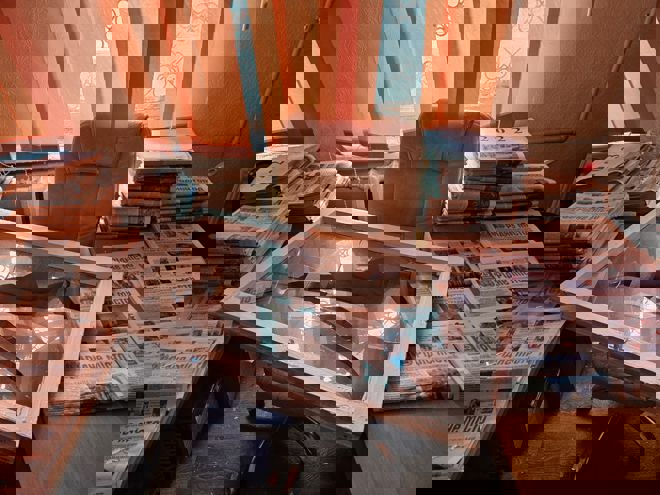
The destruction was extensive after the newsroom was bombed.
– There was no electricity, water or gas. We could no longer live or work there, says Maksym.
The newsroom relocated to another region. There, they continue to print the newspaper, and with support from Norway and a Ukrainian journalist organisation, they distribute it for free.
– Many elderly and people with disabilities have not been able to evacuate. For them, the newspaper is the only source of information.
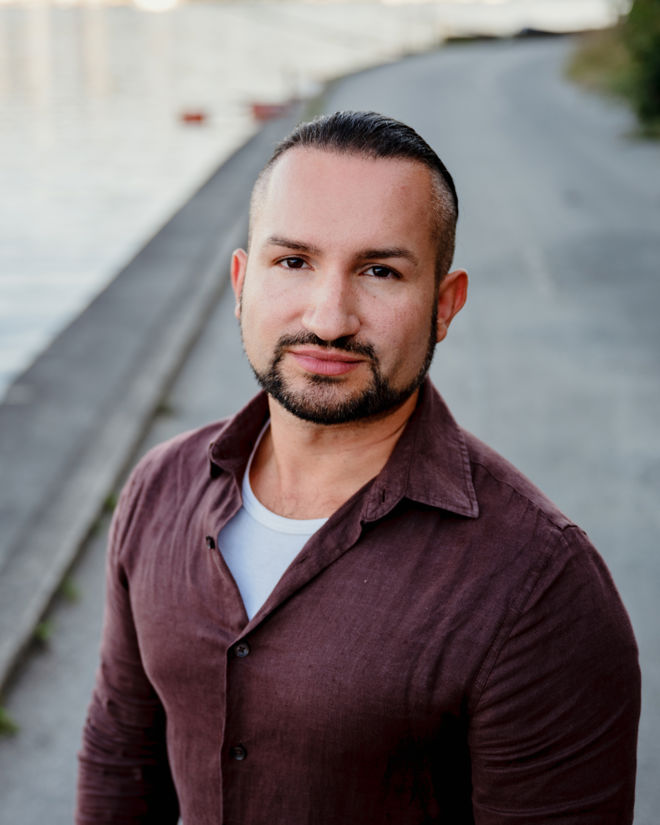
When someone tells you their story, you have to listen with your heart. You become more than a journalist.
In Kremenchuk, journalist Lesia Lazorenko works for a regional newspaper that has been an important source of information for more than three decades. The newsroom has survived crises, economic collapse, and now war.
– Before the war, we were 70 employees. Now we are 25. One person must be journalist, photographer, video producer and editor. Sometimes we work 24 hours a day, says Lesia
What moves her most is how people respond to the content they produce.
– The audience grows and engages whenever something happens. That gives us strength.
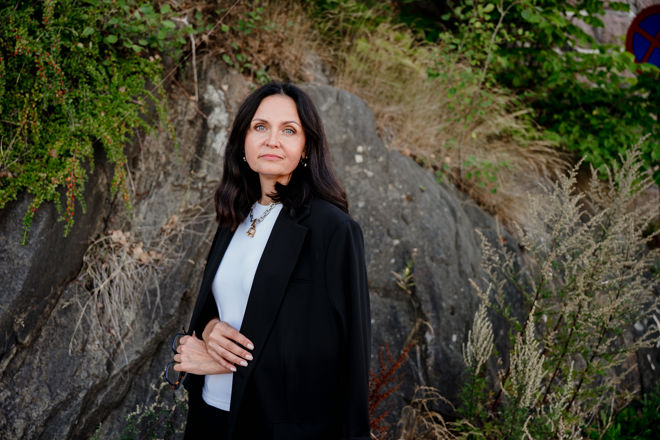
Lesia Lazorenko, journalist and editor at the newspaper Prywatna Gazeta in Kremenchuk
During a drone attack this summer, Lesia had to run to a bomb shelter with her 11-year-old daughter.
– I saw a woman with a little girl in pyjamas. The girl was seven years old. I asked the girl if she was in pain. She said: I want to live so much that I can’t feel the pain. That sentence has stayed with me. It represents everyone in Ukraine, says Lesia.
Norway supports several local media outlets through the civil society support programme. This autumn, Jorun Nossum, Head of the Nansen Support Programme at Norad, met Ukrainian journalists during a visit to Ukraine.
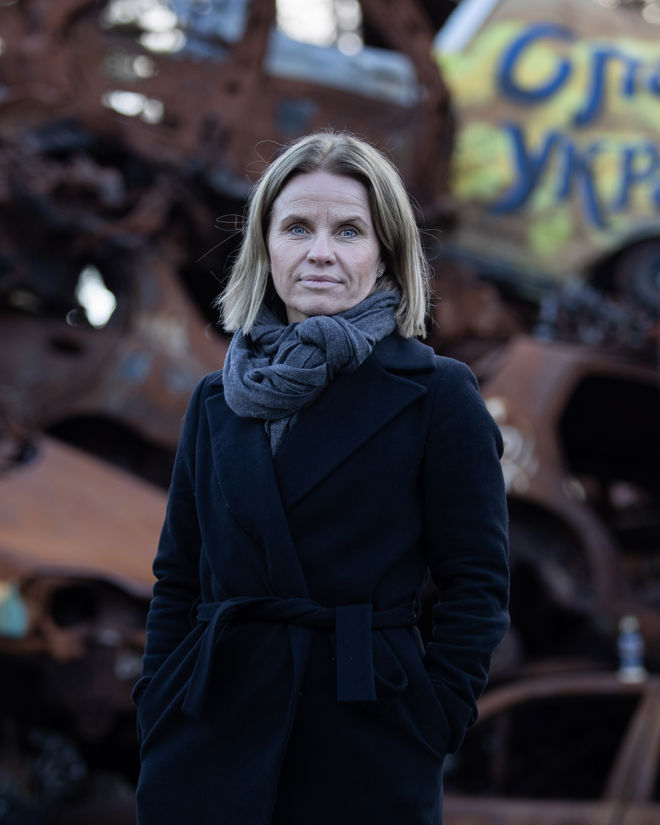
The truth is as vital as water and bread.
– When independent media receive support, people gain access to information that can bring hope and save lives. That is why Norwegian support matters so deeply, says Nossum.
When we support local journalism, we support resilience, democracy, and the right to know. It is an investment in peace.