There are methods that allow us to produce ten times more without expanding into new land. Saying you need more land to increase production is nonsense.
Mauro Lúcio Costa
For decades, cattle ranching has been one of the main drivers of deforestation in the Amazon. Now, one of the world’s largest meat-producing countries is taking steps to shift the industry.
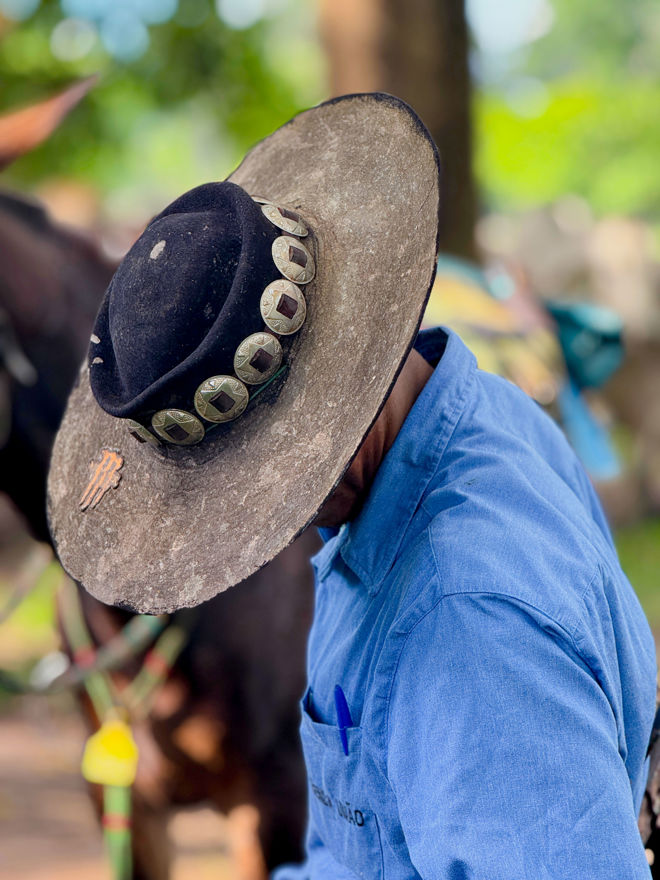
Pará in Brazil is one of the country’s most important agricultural states and is partly located in the Amazon.
For decades, cattle ranching has been one of the main drivers of deforestation in the Amazon. Now, one of the world’s largest meat-producing countries is taking steps to shift the industry.
Mauro Lúcio Costa is a leading voice advocating for sustainable standards in the sector. When asked whether trees must be cleared to raise cattle, he responds:
– No! That is an outdated way of thinking. It should not even be considered an option.
The state of Pará, three times the size of Norway, is Brazil’s second-largest cattle-producing state with more than 26 million animals. Illegal deforestation driven by cattle ranching has long been a challenge here. Since 1985, cattle production in Brazil has contributed to clearing an area equivalent to the size of France — 57 million hectares.
But Lúcio Costa demonstrates that alternatives exist: he reuses pastureland, implements measures to preserve and improve soil health, and plants trees to provide shade for the cattle.
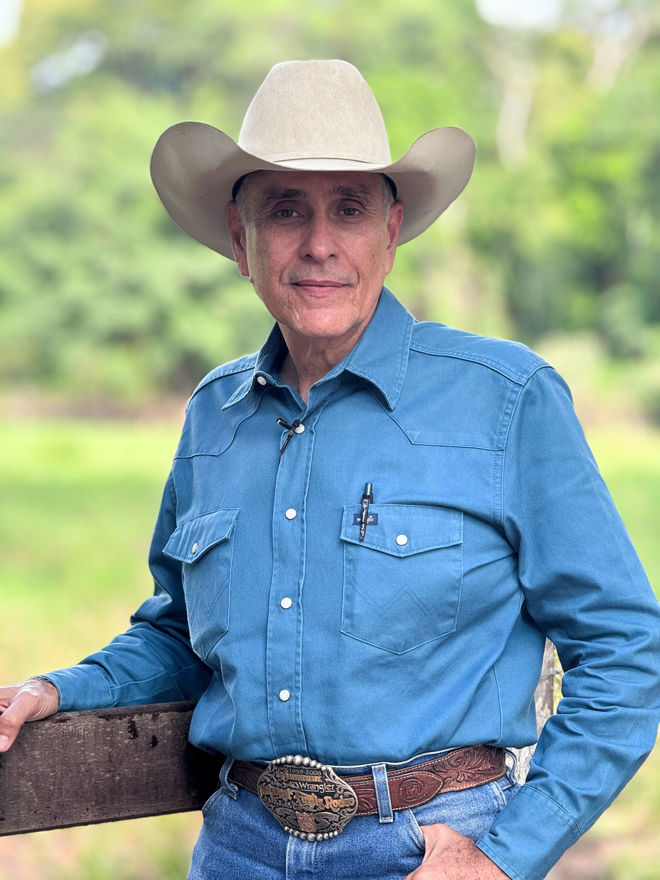
There are methods that allow us to produce ten times more without expanding into new land. Saying you need more land to increase production is nonsense.
At the same time, he points to the main challenge:
– People clear forest because they manage the soil poorly. Restoring degraded land is more expensive than clearing new areas, but it is essential for the future.
Civil society in Brazil has been an important driver in pushing for stricter requirements for the cattle industry. One of these actors is the organization Amigos da Terra. They work with both authorities and farmers to develop frameworks that better protect the rainforest.
– We see farmers clearing new areas once they have exhausted the first. This is exactly the kind of deforestation we must combat, says Mauro Armelin, Director of Amigos da Terra.
Brazilian authorities work closely with civil society and private actors. Raul Protazio Romão, Secretary for Environment and Sustainability in Pará, wants more private investors to help move the industry in a new direction.

We are now transitioning from an old to a new system. This transition carries a cost, and that cost must be shared between the market, public authorities and different sectors. We aim to attract investors who want to be part of the solution.
One of the actors working to establish sustainable financing mechanisms is Vox Capital, headquartered in São Paulo. They believe the financial sector can help transform the cattle industry.
– Capital plays an important role in enabling new production systems. Through our investments we influence practices and set sustainability requirements for cattle farms. We provide capital, but farmers, or producers, must commit to several criteria to gain access to it. One of these criteria is zero deforestation, says Daniel Brandão, Director at Vox Capital.
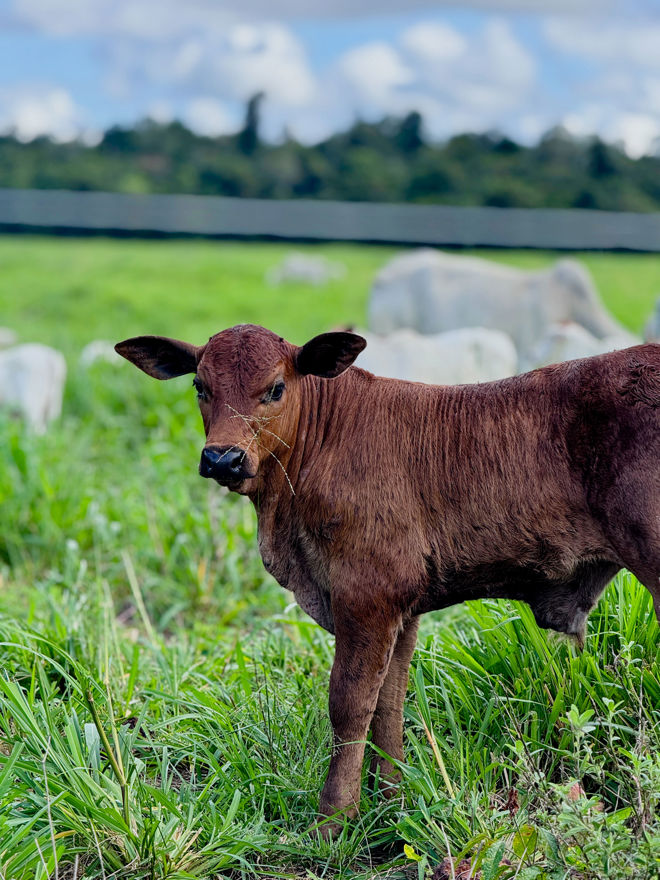
Brazil is the world’s second-largest beef producer and now produces eight times as much beef as it did 60 years ago.
New technologies offer new opportunities to protect the rainforest. Satellite monitoring is a key tool for tracking deforestation in the Amazon. In Belém, the institute Imazon is at the forefront of this work. They use satellites and artificial intelligence to predict deforestation. In May, their 2025 scenarios showed that 650,000 hectares were at risk of being cleared unless action is taken.
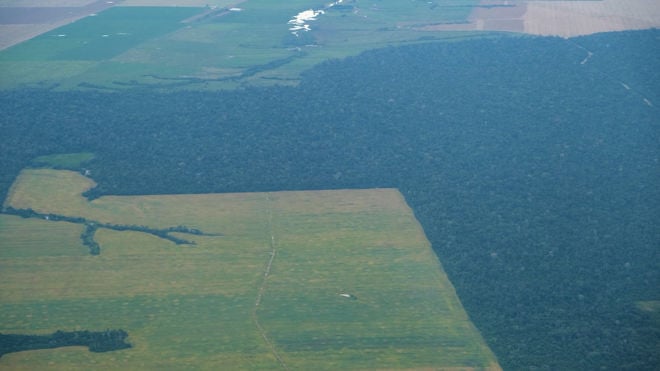
In Brazil, cattle ranching alone has contributed to 24 percent of tropical deforestation, which has serious consequences for the Amazon and global climate challenges
– These models are highly accurate, but we do not want these areas to be deforested. Our aim is for these models not to come true. We share the data to help prevent deforestation and collaborate with authorities and other actors. The goal is for the forest to remain standing, says Alexandra Monteiro Alves, a researcher at Imazon.
For many years, Norway has been a key partner in protecting the world’s largest rainforest. Norway’s efforts are coordinated by the Ministry of Climate and Environment, with Norad responsible for managing part of the portfolio.
Norwegian support contributes to the development and enforcement of legal frameworks, satellite monitoring, the increased use of digital tools such as artificial intelligence, research, and financing mechanisms.
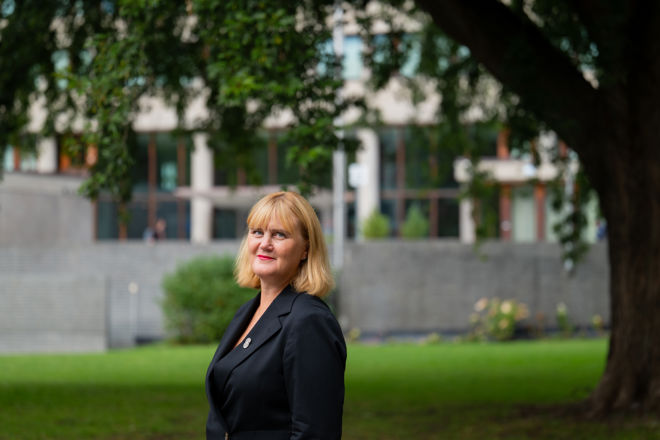
Gunn Jorid Roset
– We support Brazil in its efforts to transform the cattle industry. Stricter requirements and increasingly effective tools such as satellite monitoring and artificial intelligence are essential for protecting the rainforest, says Gunn Jorid Roset, Director General of Norad.
Read the story and see the film: Standing Together Against Illegal Gold Mining in the Amazon
In Brazil’s Kayapó territory, Indigenous communities and Brazilian authorities are joining forces to fight illegal gold mining driven by powerful international criminal networks.