Stronger Locally Led Humanitarian Action

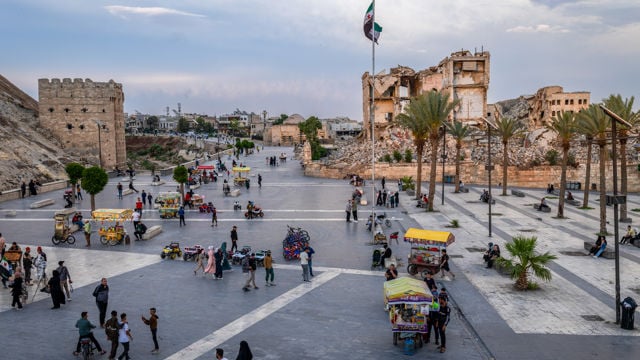
An open square with many people, several stalls selling goods, palm trees, and a large damaged building in the background. A large national flag is flying on a tall flagpole.

Norway aims for a greater share of humanitarian assistance to be led locally. Launching a pilot programme, the goal is to reach people in crisis more rapidly in Sudan, Syria and Myanmar.

People living through crises often receive the most effective assistance from networks within their own communities. In highly fragile settings, it can be difficult for international organisations to gain access. More of Norway’s support will therefore be channelled directly to local organisations and networks.

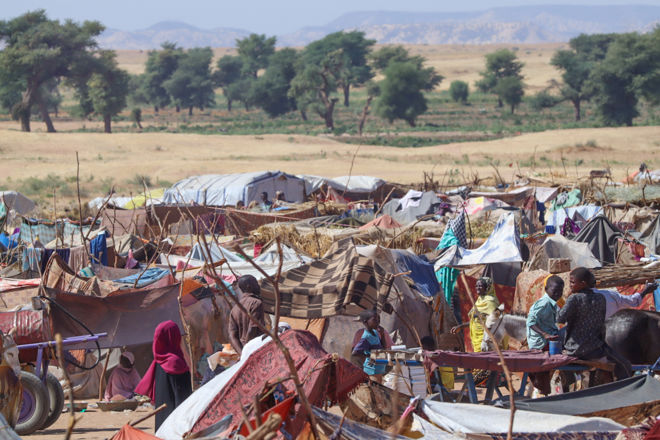
A temporary refugee camp with makeshift shelters made of fabric and sticks, where women and children are gathered in a dry, open landscape with scattered trees in the background.
Photo: UNHCR/ Mohammed Jalal

– Local actors hold the best knowledge of communities and power dynamics in the places where they operate. They understand needs, maintain close relationships with residents, and are often the first to respond when a crisis hits, says Monica Svenskerud, Acting Head of Section at Norad for humanitarian assistance.

Norad is launching a pilot programme on locally led response in humanitarian crises. The programme will help improve financing for local actors by making it flexible and sustained over time.

Support will be provided to the Aid Fund for Syria and the Sudan Locally Led Pooled Fund. In Myanmar, support will go to local actors able to deliver humanitarian assistance in a highly constrained, conflict-affected context.

The allocation amounts to NOK 180 million over three years.

Strengthening local and national actors in crisis situations is vital to building preparedness and resilient institutions that endure. The support helps ensure that those who are often overlooked or excluded also receive assistance.
Monica Svenskerud
Acting Director, section for Humanitarian Assistance in Norad
Aid Fund for Syria (AFS)

AFS was established in 2022 and operates across Syria. The fund prioritises national and local organisations. AFS links life-saving humanitarian assistance with early recovery, placing particular emphasis on areas hardest hit by the crisis. Two-thirds of the steering committee are local actors.

Danish Refugee Council (DRC) – Sudan Locally Led Pooled Fund (SLLPF)

SLLPF is a new fund designed to strengthen locally led action in Sudan. The fund offers flexible financing modalities, and at least 75% of resources go directly to local and national actors. SLLPF provides additional support to organisations working for women.

The fund will focus particularly on border areas with Chad and South Sudan, including Darfur. It will provide rapid support to groups delivering life-saving services, alongside mechanisms for risk sharing, conflict prevention and capacity building.

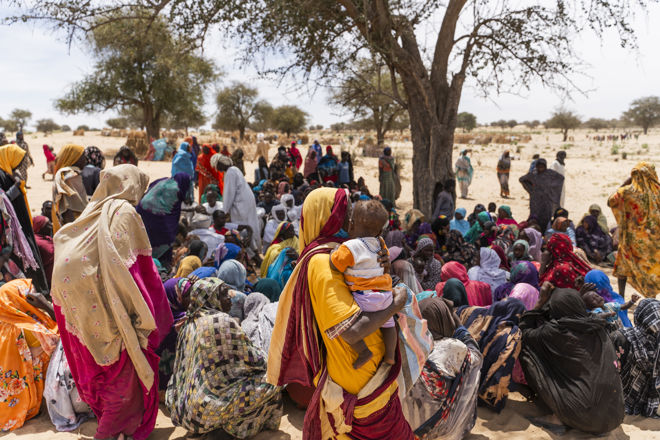
A large group of women and children, many wearing colorful clothing, are gathered outdoors under the shade of trees in a dry, sandy area.

Sudanese refugees seek shelter from the sun at a temporary camp in Koulbous, Chad, after fleeing the war in Sudan, 2025.

Photo: Ala Kheir/UNHCR

Myanmar

Norad will support actors operating in challenging, conflict-affected environments through flexible financing and learning partnerships for local actors.

Common features across the projects:

  • Adequate financing: Local and national actors receive direct, multi-year support, enabling them to adapt assistance to evolving needs.
  • Humanitarian needs: Local actors provide assistance and protection to people affected by conflict or catastrophe.
  • Equitable assistance: The support ensures that the most vulnerable people, often overlooked or excluded, receive help.
  • Local leadership: Local and national actors are empowered to lead, take decisions and ensure inclusive assistance.
  • Quality of assistance: Frontline actors receive tools, training and tailored guidance appropriate to local contexts.
  • Strengthened local capacity: Local organisations receive support to develop systems and knowledge, enabling sustained, adaptive assistance over time.
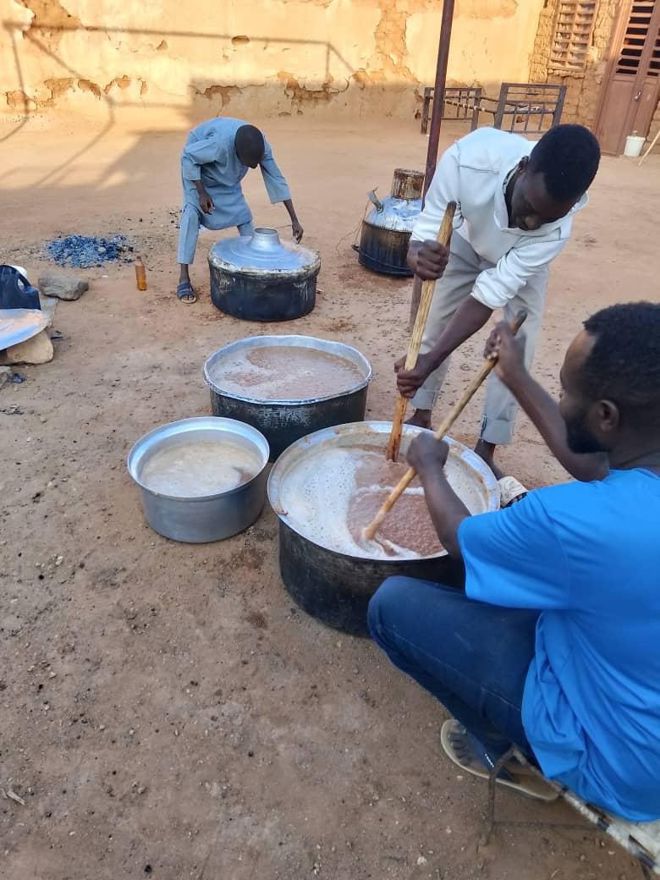
Three men are outdoors stirring large pots of food over open fires on the ground, with several metal containers nearby.
Photo: Emergency Response Rooms (ERR)

The programme also includes a learning component, through which Norad will assess how best to support local actors going forward. Norad will therefore engage a consultant to accompany the programme throughout its duration.

Published 1/5/2026
Published 1/5/2026
Updated 1/5/2026
Updated 1/5/2026